Guides
How to make an AI clone of yourself that cites its sources
An AI clone of yourself is a version of your knowledge that answers while you are busy. Build it from sources you approve, give it clear limits and let it cite. Here is how, in four steps.
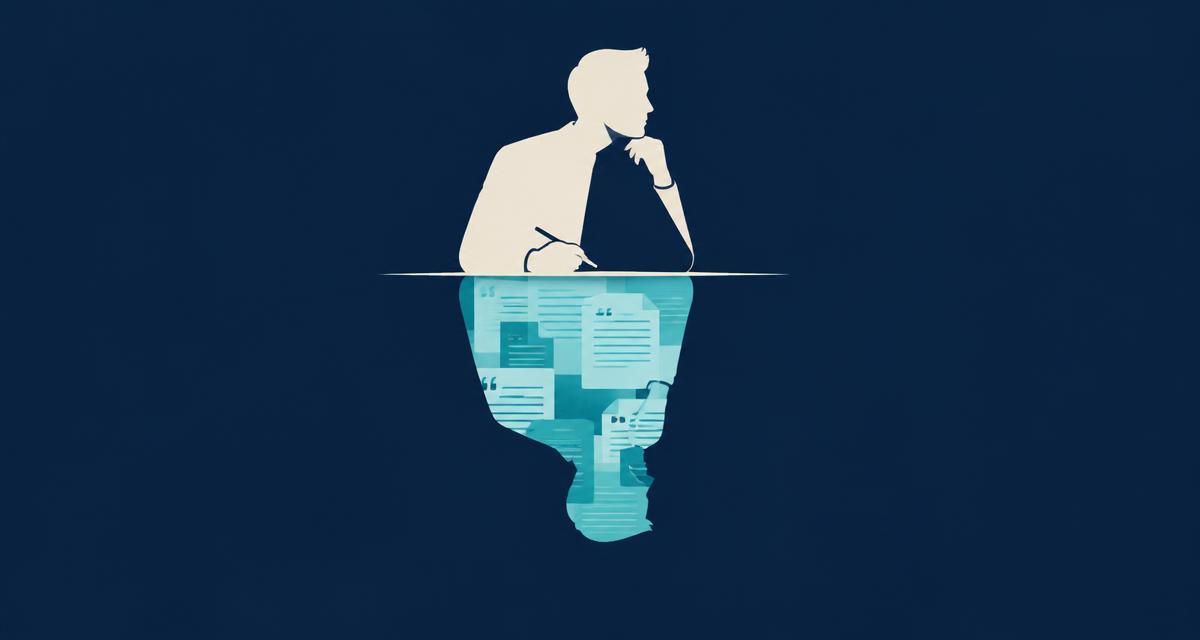
The idea of an AI clone is simple: something that answers the way you would when you are not available. The risk is just as simple. A clone that invents answers in your name damages the trust it was meant to extend.
What people actually want from an AI clone
- Answers to the questions they hear every week, given consistently.
- Their own material used as the basis, not general knowledge from the internet.
- A clear line between what the clone may answer and what needs a real conversation.
Step 1. Decide what it should know
Choose a small set of documents you would be comfortable seeing quoted: published articles, course notes, frequently asked questions and answers you have already written.
Step 2. Decide what it should decline
Write down the subjects that need your judgment, such as individual advice, pricing negotiations or personal matters. A good clone refuses these politely and points people back to you.
Step 3. Give it your voice
Describe how you speak and add a few starter questions. Visitors understand quickly what your clone is for.
Step 4. Publish a link and learn
Share the link on your website, profile or email signature. Read the questions people ask and add sources where answers are thin.
Personality clone or knowledge clone?
Search for an AI personality clone and most results copy a manner: a voice, a face, a way of joking. That can be fun. It is also where trouble starts, because a copied manner will happily say things you never said.
A knowledge clone works the other way round. Your voice is there, but it sits on top of what you have actually written. Every answer points back to a source. When the source runs out, the clone stops and sends the person to you.
For a professional, that second kind is the one worth putting your name on.
Why AI Twin calls it a Twin, not a clone
An AI Twin extends your knowledge and availability. It never replaces you, and it never pretends to be you in a live conversation.
It cites. It stays within scope. It knows when not to answer.
Questions and answers
- Can I make an AI clone of myself?
- Yes. An AI Twin is a version of your expertise that answers questions from documents you approve. It speaks for your knowledge, not as a copy of you, and it says so to every visitor.
- Is an AI clone the same as an AI Twin?
- Not quite. Many AI clones imitate a voice or a face. An AI Twin focuses on what you know: it cites its sources, stays within the scope you set and declines questions it should leave to you.
- What is an AI personality clone?
- Usually an AI that imitates how someone talks. An AI Twin keeps your voice but answers only from material you approve, and it shows where each answer came from.
- How much does it cost?
- AI Twin starts with a 30 day free trial, then plans begin at $24 a month. A Concierge service can build it for you.
AI Twin produces answers generated by AI. Important decisions should still be verified against the cited sources or with the expert directly.